
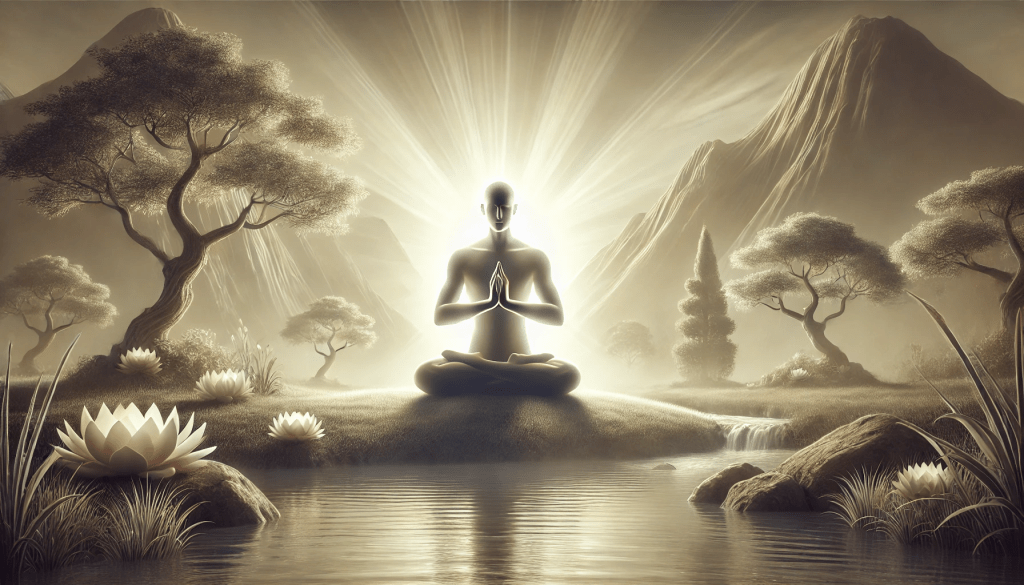
Prayer is a universal human expression of spirituality, connecting individuals to the divine, allowing for self reflection, and cultivating inner peace. One notable aspect of prayer that crosses cultures is its use of hand gestures, which carry symbolic and spiritual significance. In Christianity, gestures like the prayer hands or the sign of the cross are integral to worship and devotion. Similarly, in Hinduism and yogic traditions, hand mudras serve as powerful tools to channel energy and deepen spiritual practice. In this post, I want to explore the relationship between these common gestures and see how they blend Eastern and Western religious practices.
A Personal Reflection
The idea of prayer gestures and mudras came to me while sitting inside a church during a candlelight orchestra concert with my parents. The setting was an old church in Detroit, its grand architecture and quiet reverence creating the perfect atmosphere for reflection. As I listened to the classical music played by a live string quartet, almost meditating in the dimly lit sanctuary, I found myself thinking about the symbolic power of prayer hands.
I realized that this familiar gesture in Christian prayer is essentially a mudra, a physical expression of spiritual energy. I felt a profound connection in that moment, marveling at the universal nature of these practices. I’ve always enjoyed finding the parallels between Western religious traditions and Eastern or more spiritual practices, and this was a striking example. There is power in mudras, and that same power flows through religious gestures like prayer hands and the sign of the cross.
The Universality of Hand Gestures in Prayer
From clasped hands to outstretched palms, hands play a central role in prayer. These gestures are more than physical acts; they are symbolic languages of faith, devotion, and surrender.
• Christian Prayer Hands: The act of pressing the palms together with fingers pointing upward—often called “prayer hands”—is commonly associated with reverence and humility in Christian prayer. This posture reflects a state of surrender, focusing the mind and aligning the body toward God.
• The Sign of the Cross: In Christianity, making the sign of the cross is a deeply significant ritual. The gesture, performed by touching the forehead, chest, and shoulders in sequence, symbolizes the Holy Trinity and the act of sanctification. It is both a declaration of faith and a way to seek divine blessing.
In both cases, these movements transcend the physical, embodying the spiritual act of aligning oneself with a higher power.
Mudras: The Language of Hands in Hinduism and Yoga
In Hindu and yogic traditions, mudras are deliberate hand positions that channel energy, balance the mind, and deepen meditation or prayer. Each mudra has a specific purpose and meaning, often tied to the flow of energy (prana) in the body.
• Anjali Mudra (Prayer Hands): One of the most iconic mudras, Anjali Mudra, mirrors the Christian prayer hands gesture. It symbolizes respect, unity, and the meeting of the individual self with the divine. In yoga, it is often used as a gesture of gratitude and centering during meditation or prayer.
• Other Mudras: From Gyan Mudra (thumb and index finger touching to enhance focus) to Dhyana Mudra (hands resting in the lap during meditation), these gestures guide practitioners in their spiritual journey, aligning the body and mind with cosmic energy.
The Blend of East and West
The similarities between Christian hand gestures and yogic mudras point to a shared understanding of the body as a vessel for spiritual expression. Both traditions use the hands not only for symbolic representation but also as tools for directing intention, focus, and energy.
1. Symbolism of Unity: Both prayer hands and Anjali Mudra represent unity—whether it’s unity with God, the self, or the universe. The gesture transcends religious boundaries, emphasizing connection and surrender.
2. Physical-Spiritual Connection: The tactile experience of hand gestures—feeling the palms together or tracing the sign of the cross—creates a physical anchor for spiritual practice. This tactile nature is echoed in mudras, where the deliberate placement of fingers enhances awareness and energy flow.
3. Ritual and Intentionality: Both traditions emphasize the intentional nature of these gestures. They are not random movements but purposeful acts imbued with meaning, meant to deepen the practitioner’s connection to the divine.
Practical Reflections
Understanding the parallels between prayer gestures and mudras can enrich spiritual practice for individuals of any faith. A Christian practitioner might explore the meditative depth of holding prayer hands as a form of centering. Similarly, someone familiar with yogic mudras might find resonance in the symbolic act of crossing themselves as a gesture of protection and faith.
For those open to interfaith exploration, these practices demonstrate how spirituality transcends cultural boundaries. The universality of gestures like prayer hands and mudras invites us to consider how our bodies serve as instruments of prayer, devotion, and connection.
Conclusion
The relationship between prayer and mudras reveals a profound truth: across cultures and religions, the body plays a vital role in spiritual expression. Whether through the Christian sign of the cross or the Hindu Anjali Mudra, these gestures reflect a shared human desire to connect with the divine. By exploring these practices, we honor the common threads that unite us while deepening our understanding of our own spiritual paths.


 zenstructions
Leave a comment