

Have you ever paused in the stillness of meditation and noticed a subtle hum, like a faint crackling or whisper in the background of silence? That sound, static, might be more than just random noise. To me, it feels like the universe revealing itself through frequencies, inviting us to listen deeply to the language of existence.
Static holds a peculiar place in the experience of creation. It isn’t just sound; it’s a vibration, a pulse of energy resonating through the fabric of reality. It reminds me of the ancient principle that “everything is vibration.” From the Kabbalistic Tree of Life to the chants of Kundalini yoga, ancient wisdom traditions often reference the idea that the universe is built on sound—on vibration. Static could very well be a fragment of this universal song.
The Universal Sound
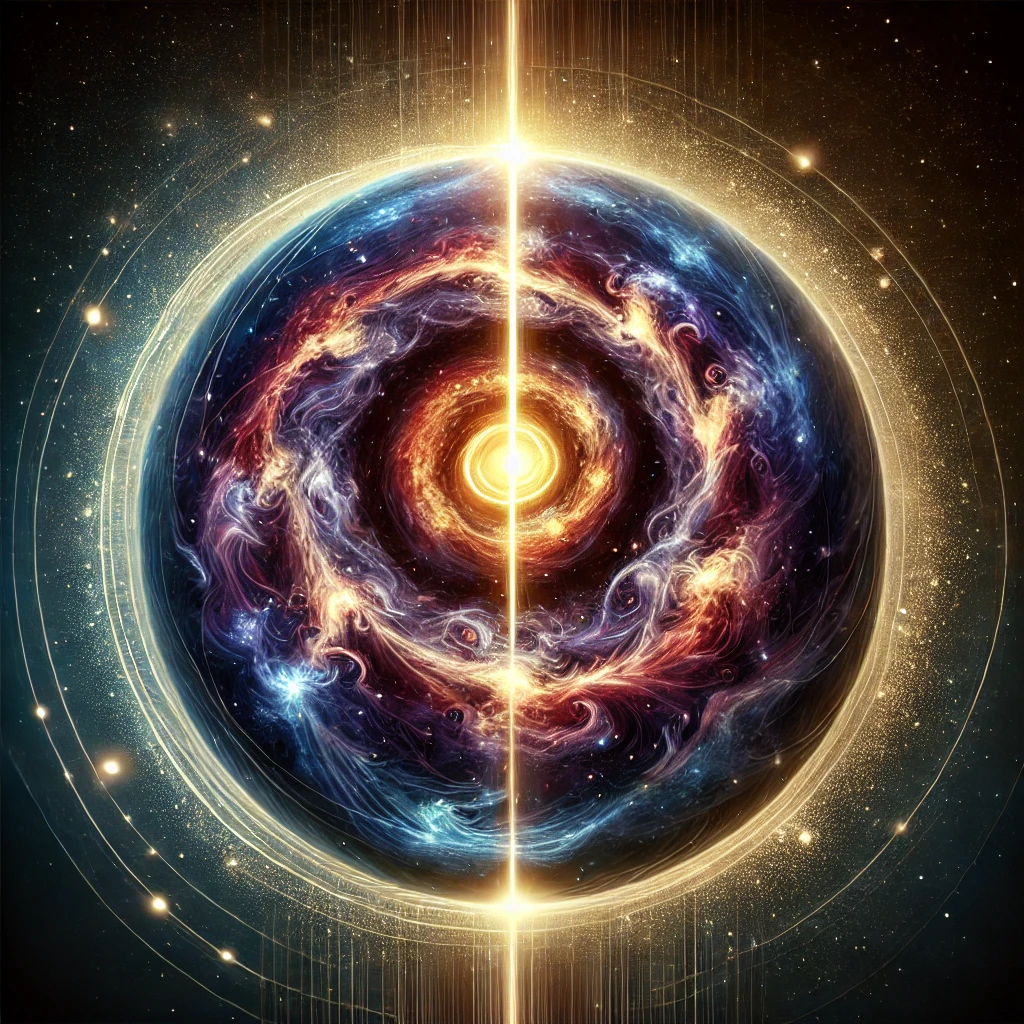
Science tells us that cosmic microwave background radiation, a relic from the Big Bang, emits a faint hum detectable as static. Could this be the “sound of creation,” echoing across eternity? To me, static feels like the sound of the “in-between”—a liminal space where frequencies collide, harmonize, and dissolve.
Plato described the universe as a living, breathing organism, and the metal elements of the Platonic solids may symbolize the crystalline structure of the cosmos. The reverberations of metal, for instance, mirror static’s essence—a vibration tied to the elements and the sacred geometry that defines existence.
Alchemy and Transmutation
In alchemy, the transformation of matter and spirit often begins with chaos—a void where potential lies dormant. Static feels like this alchemical state, where raw, unformed energy begins its journey toward creation. Like the Philosopher’s Stone, it bridges the physical and metaphysical, offering a glimpse of the infinite potential that exists within the “noise” of life.
Could static also be the “prima materia,” the primal sound from which all existence arises? It seems to align with the alchemical process of transmuting the base into the divine—turning raw energy into a harmonious frequency.
The Body as a Transistor
The human body, a living microcosm of the universe, acts as a receiver and transmitter of energy. Our nervous system operates on electrical signals, and in meditative stillness, we might be tuning into a greater network of frequencies—the sound of the universe itself. The ancient yogis believed in “Nada Brahma,” the idea that the world is sound, and practices like Kirtan amplify this concept by connecting practitioners to divine vibrations.
When we hear static during meditation, are we simply listening to the background noise of our existence, or are we syncing with universal consciousness? It could be both.
Connecting to the Universal Law
Static, then, might be a gateway to understanding the Universal Laws. The Law of Vibration states that everything moves and nothing rests. By tuning into static, we engage with a fundamental truth: we are part of this grand oscillation.
By meditating on the sound of static, we can shift our consciousness, moving closer to a state of unity with the universe. This process echoes the Kundalini experience, where energy rises to merge with divine consciousness.
Conclusion: Listening to the In-Between
Static may be dismissed as “noise,” but when we listen deeply, it becomes music—a universal hum that connects us to the cosmos. It is the bridge between science and spirituality, chaos and harmony, silence and sound.
What if, the next time you meditate, you embrace the static instead of silencing it? Perhaps you’ll find yourself resonating with the song of creation itself.



 zenstructions
Leave a comment